



Let’s be honest. For years, “video marketing” has been synonymous with big budgets, long production timelines, and a frustrating gap between your brilliant idea and the finished product. A single high-quality video could burn through a quarterly budget, and creating content at the speed of social media felt like an impossible dream.
With the rise of AI video tools, marketers now have the ability to produce content that meets the demands of today’s fast-paced digital landscape.
AI video has allowed brands to become more innovative in their approach to storytelling, engaging audiences like never before.
The integration of AI video into marketing strategies is not just a trend but a necessity for future success.
That era is officially over. The seismic shift we’ve been anticipating in content creation is no longer on the horizon; it’s here, reshaping the very foundations of how brands connect with their audiences. This isn’t just about faster editing or fancier filters; it’s about fundamentally rethinking video strategy from ideation to distribution.
Embracing AI video will empower brands to create more impactful content tailored to their audiences.
We’ve been diving deep into the AI video generation landscape—analyzing the top players and separating the hype from the truly game-changing tools. The takeaway is clear: this isn’t just another tech trend. It’s a fundamental shift in how we create, scale, and personalize content, offering unprecedented agility and reach for savvy marketers.
Using AI video tools, marketers can analyze audience preferences and tailor content more effectively.
This evolution in content creation through AI video technology provides brands with a competitive advantage.
Forget just listing the “top 15 tools.” Let’s talk about the strategic insights that actually matter for your brand, your agency, and your career. Understanding these core transformations will be the difference between leading the charge and playing catch-up. Here are the five most valuable truths about the state of AI video in 2025.
1. The Era of “One-Size-Fits-All” Content Is Dead
For decades, marketers have chased the elusive dream of personalization at scale. We’ve known that tailored messages resonate more deeply, but the logistical and budgetary hurdles of creating truly individualized video content were insurmountable. AI video generators are finally making it a reality, allowing brands to speak directly to the individual, not just a segment.
AI video can transform traditional marketing methods into dynamic, engaging experiences for consumers.
Incorporating AI video into your outreach can significantly increase engagement rates and conversions.
The adaptability of AI video allows for tailored support and demonstrations based on consumer needs.
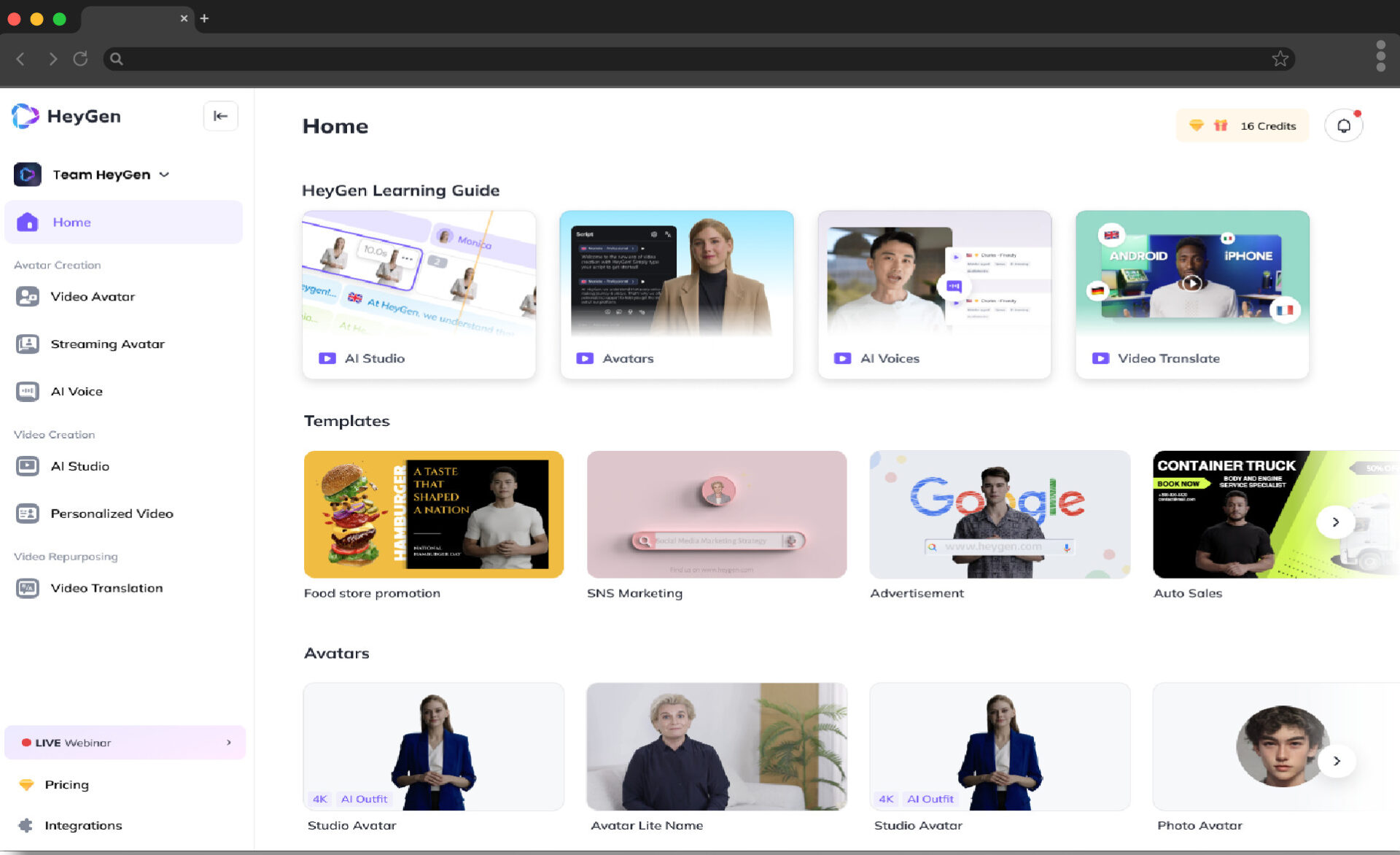
Tools like HeyGen and Synthesia are leading the charge, evolving beyond simple script-to-video. They now feature robust API integrations and dynamic variable fields that allow you to create thousands of unique video variations from a single master template. This isn’t just swapping out a name; it’s generating entirely new scenes, adapting tone, and referencing specific data points to make each video feel handcrafted.
AI video tools can streamline the production process, making it easier to create customized content. Utilizing AI video allows companies to drastically reduce production time while increasing output quality. Embracing AI video technologies can redefine how brands interact with consumers in real-time. AI video platforms provide unprecedented opportunities for creativity, allowing for innovative content creation.
What this means for you:
- Hyper-Personalized Sales Outreach: Imagine the impact of sending a video to a prospect that greets them by name, mentions their company, directly references a specific pain point discussed in a previous interaction, and even displays their logo. All this can be generated automatically from your CRM data, transforming cold outreach into a warm, highly relevant touchpoint that demands attention. This level of bespoke communication significantly boosts engagement and conversion rates.
- Dynamic Onboarding and Training: Onboarding new clients or employees often involves generic video modules. With AI, you can create customized onboarding videos where the avatar welcomes the individual by name, explains aspects relevant to their specific role or service package, and even adjusts content based on their department or preferred language. This creates a much more engaging and effective learning experience, reducing churn and increasing productivity from day one.
- Adaptive Customer Support & Product Demos: Think beyond static FAQs. AI-generated videos can answer specific customer queries by dynamically pulling information related to their account or product usage. For product demos, a single template can be customized to highlight features most relevant to a specific user persona or industry, making the demonstration far more impactful.
With AI video, brands can create a more personalized customer experience that resonates with their audience.
Actionable Tip:
AI video enables marketers to adapt quickly to changes in consumer behavior and preferences.
Start small but strategically. Identify your top 20 prospects or your most valuable new clients. Connect a tool like HeyGen or Synthesia to a Google Sheet containing their names, companies, and 1-2 key pain points. Create a short, personalized intro video for each, focusing on genuine value. Track the difference in response rates, meeting bookings, or onboarding completion. The ROI from this focused personalization will unequivocally speak for itself and provide a compelling case for scaling this approach. By leveraging AI video, brands can continually refine their messaging and creative strategies for better engagement.
The investment in AI video technology will pay off in enhanced brand visibility and consumer trust. AI video is revolutionizing the way brands approach content, making it more engaging and effective. With AI video, brands can create a streamlined content strategy that adapts to audience needs in real-time.
2. Your New Production Timeline: Minutes, Not Months
The most significant barrier to effective video marketing has always been speed and cost. Traditional video production is a laborious process, involving scriptwriting, shooting schedules, location scouting, talent booking, extensive editing, sound design, and post-production. Each step introduces delays and expense. AI shatters that barrier, turning what was once a multi-week endeavor into a task measurable in minutes.
As AI video continues to evolve, it presents endless possibilities for creative marketing solutions.
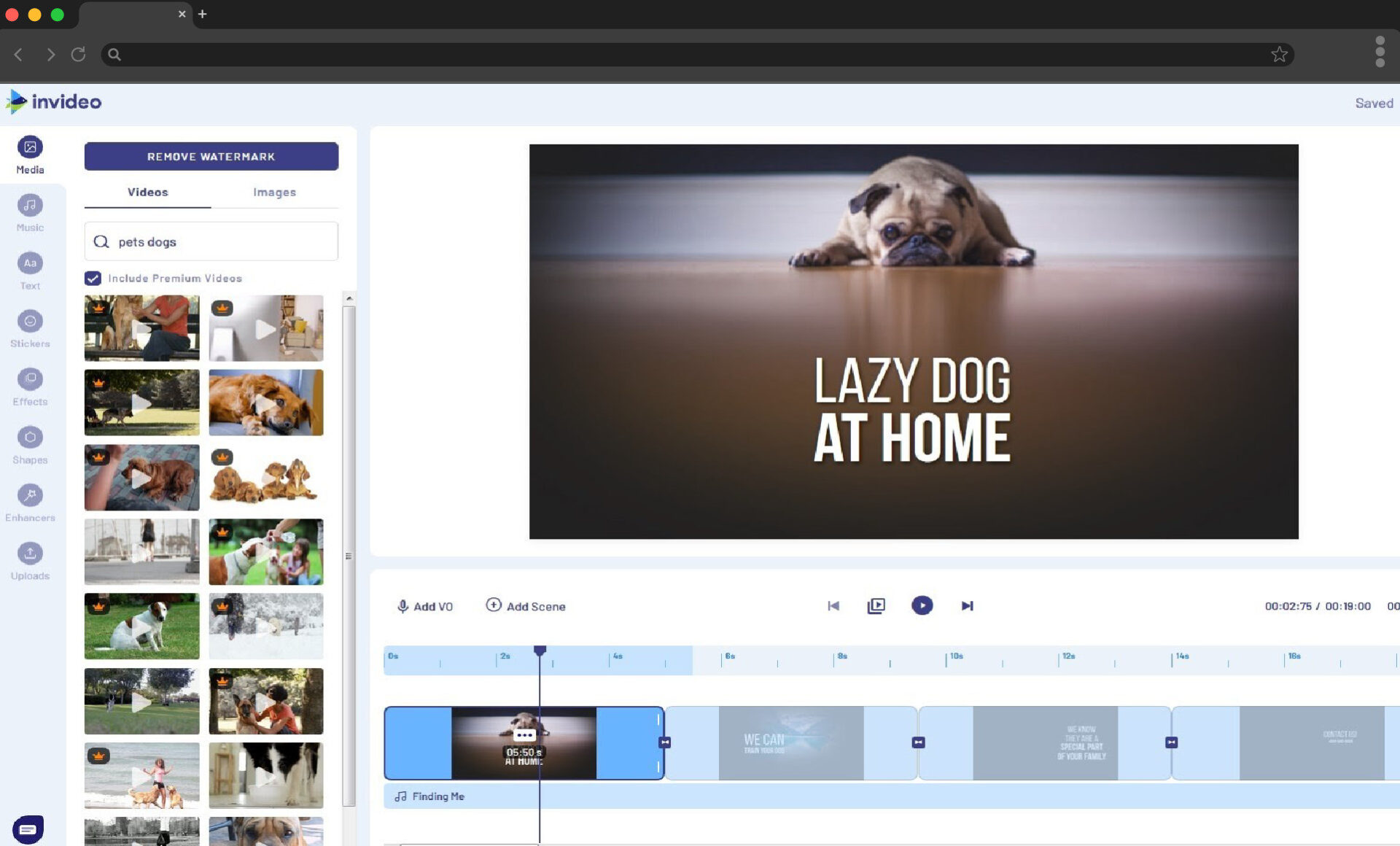
Text-to-video and script-to-video platforms like InVideo and FlexClip are revolutionizing this by leveraging sophisticated algorithms to transform raw text into polished, brand-aligned video content with surprising speed and quality. These tools analyze your script, suggest appropriate visuals from extensive libraries, generate natural-sounding voiceovers, add background music, and even apply brand colors and fonts—all in under ten minutes, often much faster.
The role of AI video in marketing is expanding, providing tools for deeper audience engagement.
What this means for you:
- Content Repurposing on Steroids: Your existing library of evergreen content—blog posts, case studies, whitepapers, webinars, and even internal documentation—is now a goldmine of video content waiting to be unlocked. Instead of letting valuable written content sit dormant, you can instantly convert it into engaging video summaries, promotional clips, or explainer videos, extending its reach and lifecycle across multiple platforms. This drastically multiplies the value of your existing content assets and improves your content marketing efficiency.
- Real-Time Social Content and Trendjacking: The digital landscape moves at lightning speed. To remain relevant and position your brand as a responsive thought leader, you need to react to industry news, trending topics, and cultural moments in real-time. With AI video, you can draft a quick script about a breaking news story, generate a professional video summary within minutes, and share it across your social channels. This agility allows your brand to participate in timely conversations and capture audience attention at peak relevance.
- A/B Testing Video Ads with Unprecedented Speed: The ability to quickly iterate on video content allows for rapid experimentation in advertising. Generate multiple versions of an ad with different hooks, visuals, or calls-to-action in minutes. Deploy them, analyze performance data, and optimize your campaigns on the fly, leading to significantly improved ad spend efficiency and conversion rates.
Marketers who harness the power of AI video will lead the way in innovative content creation.
Actionable Tip:
Choose your best-performing blog post from the last quarter – one that resonates well with your target audience and has strong engagement metrics. Copy its content, paste it into a text-to-video generator like InVideo or Pictory. Experiment with different templates to find one that aligns with your brand’s aesthetic. Add your brand colors, logo, and a call to action. In a matter of minutes, you’ll have a social-ready video that can promote the original article, engage a new audience, and drive traffic back to your site. This simple exercise will demonstrate the immediate power of AI video in your content pipeline.
3. The Rise of the “Synthetic Human” Workforce
For many years, the concept of AI-generated human presenters felt like science fiction, often veering into the “uncanny valley.” Today, that perception is rapidly changing. AI avatars have reached a level of sophistication where they are virtually indistinguishable from real humans, offering a compelling solution for brands seeking consistency, scalability, and efficiency in their video presentations.
AI video plays a crucial role in enhancing the overall quality and effectiveness of digital marketing campaigns.
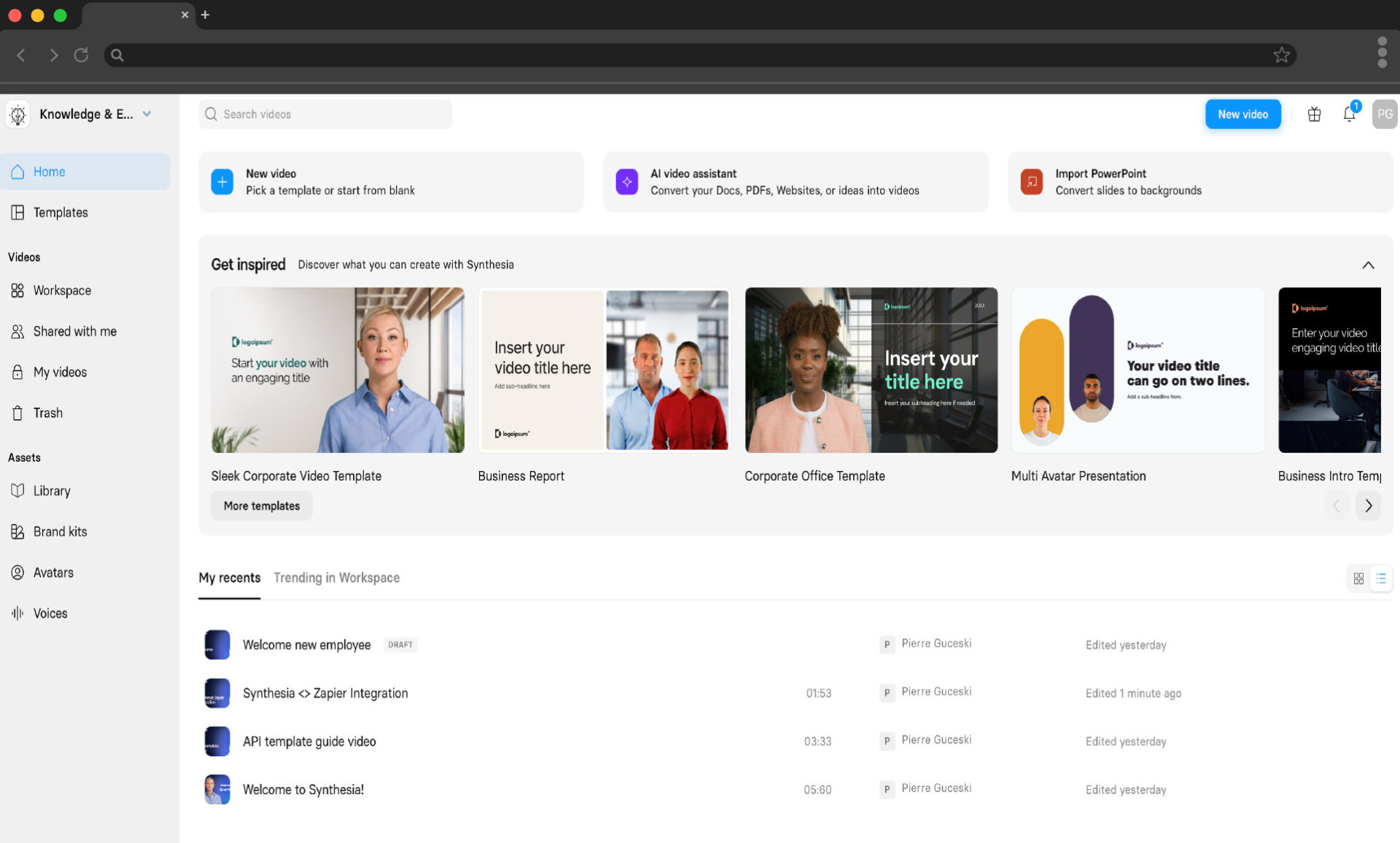
Instead of the logistical complexities and costs associated with booking a studio, hiring diverse talent, managing wardrobes, and coordinating schedules, you can now generate a photorealistic AI avatar that acts as your brand’s consistent spokesperson. Platforms like Synthesia and Deepbrain AI offer an extensive, diverse library of high-quality avatars, or even allow you to create a personalized “digital twin” of yourself or a key team member, ensuring perfect brand representation without ever needing a physical presence on set.
 AI Video[/caption]
What this means for you:
As AI video tools become more accessible, brands of all sizes can benefit from advanced content strategies.
The future of marketing will be heavily influenced by how effectively brands use AI video.
- Effortless Global Localization: Expanding into international markets traditionally requires localizing video content, which means hiring new voice actors, reshooting with local talent, or relying on subtitles. With AI avatars, you can create a single master video and then effortlessly render it in dozens of languages with perfect lip-syncing, using the exact same “presenter.” This ensures global brand consistency while speaking to each audience in their native tongue, dramatically reducing localization costs and accelerating market entry.
- Scalable Corporate Training and Internal Communications: Keeping training videos, compliance updates, or HR policy explanations current can be a continuous challenge. If a policy changes, or a new product feature is introduced, simply edit the script within the AI platform and re-render the video in seconds. There’s no need to call your spokesperson back in for a costly reshoot, saving immense time and budget while ensuring all employees always have access to the most up-to-date information.
- Consistent Brand Ambassadors: For brands aiming to build a strong, recognizable persona, an AI avatar offers unparalleled consistency. Whether it’s for YouTube explainers, customer service tutorials, or internal announcements, the same face and voice can represent your brand across all video touchpoints, fostering familiarity and trust with your audience without the variability that comes with human talent.
Actionable Tip:
Leverage an AI avatar to create a series of “quick tip” videos for your social media channels or an internal knowledge base. These can be short (30-60 seconds) instructional videos demonstrating a product feature, explaining an industry concept, or answering common FAQs. This strategy builds incredible brand consistency, allows you to produce high-quality, actionable content at a relentless pace, and liberates your human team from constantly stepping in front of a camera, enabling them to focus on higher-value tasks.
4. AI Is Your New Creative Co-Pilot, Not Just an Automation Tool
Early iterations of AI creative tools were often rigid and clunky, designed for basic automation rather than genuine creative assistance. They generated predictable outputs, limiting artistic expression. Today’s most advanced generative AI platforms are fundamentally different; they are built for creatives, by creatives. These tools don’t just spit out a finished product based on a template; they act as intelligent collaborators, pushing the boundaries of what’s possible in video production.
Platforms like RunwayML (especially with their Gen-1 and Gen-2 models) and Pika Labs are at the forefront, enabling users to generate impossible shots, extend existing clips seamlessly, or apply stunning visual effects with a simple text prompt. This shifts the creative workflow from laborious manual execution to prompt-based ideation and iteration, allowing creators to explore concepts that were previously too expensive, time-consuming, or technically challenging to achieve.
What this means for you:
- Infinite B-Roll and Conceptual Visuals: The days of struggling to find the perfect stock footage or incurring massive costs for custom shots are dwindling. Need a specific, unique shot of “a futuristic cityscape at sunset with flying cars and holographic advertisements”? Generate it. How about “a microscopic view of neurons firing in a brain, with data streams flowing”? You can have it in seconds. This capability provides unprecedented creative freedom, allowing marketers to visualize highly abstract or fantastical concepts without traditional production constraints.
- Enhanced Post-Production and Visual Effects: Generative AI transforms post-production from a meticulous, frame-by-frame process into an intuitive, prompt-driven task. Use AI to effortlessly remove unwanted objects or people from a shot, seamlessly change the background to transport your subject to a different environment, or even alter the entire style and mood of your existing footage to match a specific campaign aesthetic (e.g., “make this look like a retro 80s sci-fi film” or “apply a gritty, documentary-style filter”).
- Rapid Prototyping and Storyboarding: Before committing significant resources to a full-scale video production, creatives can use AI to rapidly generate visual storyboards, animated concept sketches, or even short animated prototypes. This allows teams to test different visual narratives, explore various artistic directions, and gain stakeholder alignment much earlier in the production cycle, saving time and preventing costly revisions down the line.
Actionable Tip:
AI video will drive marketing transformations, creating new avenues for brand storytelling and audience connection.
Ultimately, AI video will redefine the marketing landscape, offering brands unique ways to engage with their customers.
Don’t view these advanced AI tools as a replacement for your skilled creative team; introduce them as a powerful brainstorming and concepting co-pilot. Challenge your designers, video editors, and content strategists to use AI to generate visual storyboards for an upcoming campaign, or to test out 5-10 radically different artistic directions for a product launch video. This iterative, AI-assisted approach allows your team to explore a wider range of creative possibilities and refine ideas before committing to full-scale production, fostering innovation and efficiency simultaneously.
5. The Lines Are Blurring: All-in-One Creative Platforms Are the Future
The traditional video production workflow is often fragmented, requiring marketers to jump between disparate tools for scripting, recording, audio editing, video editing, transcription, and distribution. Each transition introduces friction, slows down the process, and increases the potential for errors. The most forward-thinking AI video tools understand that video creation isn’t just about the generative step; it’s about a cohesive, end-to-end workflow.
That’s why we’re seeing the powerful convergence of generation, editing, transcription, and even distribution features into single, unified platforms. A pioneering tool like Descript, for example, exemplifies this integration by blurring the line between a podcast editor, a video editor, and an AI-powered content tool. It allows you to edit video content by simply editing the text transcript—deleting words from the transcript removes them from the video, making complex cuts as easy as editing a Word document.
What this means for you:
- Massive Efficiency Gains and Streamlined Workflow: Consolidating multiple functionalities into a single platform dramatically reduces the friction of context switching, learning curve for different interfaces, and the risk of file compatibility issues. A unified environment means your team can move from ideation to script, to generation, to editing, and finally to publication with unparalleled speed and simplicity. This streamlined workflow translates directly into significant time savings and higher output volumes.
- Lowering the Barrier to Entry for Video Production: Complex video editing software has historically been a specialist’s domain, requiring significant training and technical expertise. These integrated AI platforms democratize video creation. If your team can comfortably edit a Word document or manage a simple spreadsheet, they can now edit and produce professional-looking video content. This empowers a wider range of marketers within your organization to create high-quality video, expanding your content production capabilities without needing to hire an army of video specialists.
- Enhanced Collaboration and Iteration: With all assets and editing accessible within one platform, team collaboration becomes significantly easier. Changes can be made quickly, feedback incorporated seamlessly, and iterations generated without passing files between multiple applications or team members with specialized software. This agile approach fosters better communication and faster finalization of video assets.
The Bottom Line: Adapt or Be Left Behind
AI video generation is no longer a futuristic novelty; it’s a strategic imperative that is fundamentally redefining the competitive landscape of digital marketing. This revolution isn’t merely about incremental improvements; it’s about creating better, more personalized content, faster and more efficiently than ever before, enabling marketers to achieve previously unattainable levels of engagement and scale.
The marketers and agencies who proactively embrace these tools won’t just save time and money—they’ll gain an undeniable competitive edge. They’ll be able to out-create, out-maneuver, and out-engage their competition at every turn, establishing stronger connections with their audiences and driving superior business outcomes. The question isn’t *if* you should integrate AI into your video strategy, but how quickly and strategically you can start. The future of video marketing is here, and it’s powered by AI.
“Don’t Play Catch-Up. Integrate AI Video and Out-Create Your Competition
Contact US to Gain the Edge
Which AI video application are you most excited to try in your marketing workflow, and what specific problem do you hope it will solve for your team? Share your thoughts in the comments below!