





Your 24/7 Sales Team: Why WordPress Booking Plugins Are a Marketer’s Secret Weapon in 2025
Let’s face it – the endless back-and-forth of “Does Tuesday at 2 PM work for you?” isn’t just a minor inconvenience; it’s a silent revenue leak. Every unnecessary step in your customer journey adds friction, and every point of friction creates an opportunity for drop-off.
In 2025, the most forward-thinking marketers aren’t merely focused on generating leads – they’re engineering frictionless conversion ecosystems. They recognize that seamless user experiences drive higher engagement, stronger trust, and ultimately, more closed deals. And at the heart of this transformation? The unassuming yet powerful WordPress booking plugin – now a core asset in the modern marketer’s automation toolkit.
In this article, we’re going beyond feature comparisons to uncover the strategic shift these tools represent – toward smarter automation, integrated experiences, and customer journeys built for effortless conversion.
Forget thinking of these tools as simple calendar add-ons. Start seeing them for what they truly are: your automated, 24/7 sales development rep, your dedicated customer experience manager, and a powerful data hub all rolled into one. They are transforming how service-based businesses, consultants, agencies, and even e-commerce sites with integrated services operate, enabling them to capture leads and facilitate sales around the clock.
Here are the key takeaways for marketing professionals who want to do more than just schedule meetings—they want to build empires by streamlining their customer acquisition and service delivery processes.
Insight 1: The Booking Page is the New Landing Page
For years, marketers have obsessed over optimizing landing pages. We meticulously craft compelling CTAs, design clean layouts, and ruthlessly minimize form fields. Why? Because every element serves to reduce friction and increase conversions. It’s time to apply that same rigorous marketing mindset, that same laser focus on conversion rate optimization (CRO), to your booking process.
A clunky, confusing, or untrustworthy booking interface will sink a conversion just as fast as a broken “Buy Now” button or an unappealing product page. In a world where immediate gratification is the expectation, a frustrating booking experience is a direct brand detractor. The trend is clear: the most successful WordPress booking plugins are those that prioritize a seamless and intuitive user experience above all else, recognizing the critical role it plays in the buyer’s journey.
The Trend: Elevating the Booking Experience to a Brand Statement
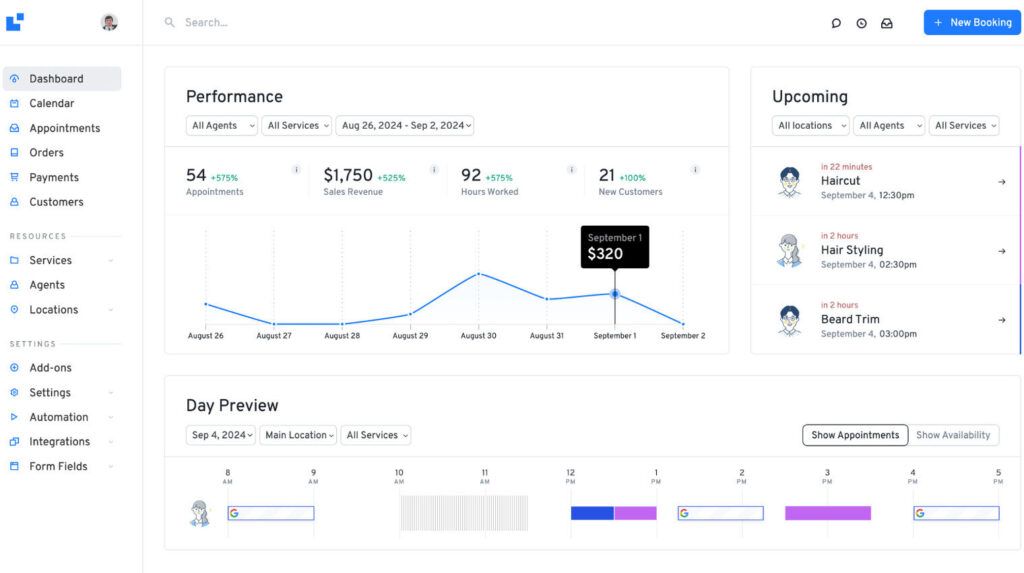
Plugins like Amelia and LatePoint are winning hearts not just with a comprehensive suite of features, but with sleek, modern, and inherently mobile-friendly interfaces. They understand that the booking experience isn’t merely a transactional step; it’s a direct reflection of your brand’s professionalism, reliability, and attention to detail. These tools offer highly customizable front-end designs that can be perfectly aligned with your website’s aesthetics, creating a cohesive and trustworthy brand experience from the first click to the final confirmation. They move beyond mere functionality to offer a true brand extension.
The Marketing Playbook: Optimize Your Booking Page for Conversion
Treat your booking page with the same reverence you’d reserve for a high-stakes landing page. This isn’t just a calendar; it’s a crucial touchpoint in your sales funnel. Here’s how to optimize it:
- Brand Customization is Key: Choose a WordPress booking plugin that allows for extensive brand customization. This means colors, fonts, logos, and even custom CSS to ensure a seamless visual transition from your website to the booking form. Inconsistency breeds distrust.
- Minimize Friction, Maximize Clarity: Keep the required fields to an absolute minimum. Only ask for information that is genuinely essential for the booking. Long, intimidating forms are proven conversion killers.
- Crystal Clear Value Proposition: Don’t just let them schedule a call; invite them to book their free strategy session, reserve their personalized consultation, or secure their exclusive demo. Frame the appointment as a valuable next step, not just an administrative task.
- Social Proof & Trust Signals: If your plugin allows, integrate elements like client testimonials or trust badges directly onto the booking page. Reinforce why choosing your service is the right decision at the point of conversion.
Actionable Tip: Be Your Own Customer
Before committing to a WordPress booking plugin, go through its demo as if you were a first-time customer on a mobile device. Pay close attention to every click, every loading screen, and every form field. If the experience feels clunky, confusing, or untrustworthy to you, a potential lead will undoubtedly feel ten times worse and likely abandon the process. Ensure it’s responsive, loads quickly, and is easy to navigate with a thumb.
Insight 2: Automation is No Longer a Luxury, It’s the Baseline
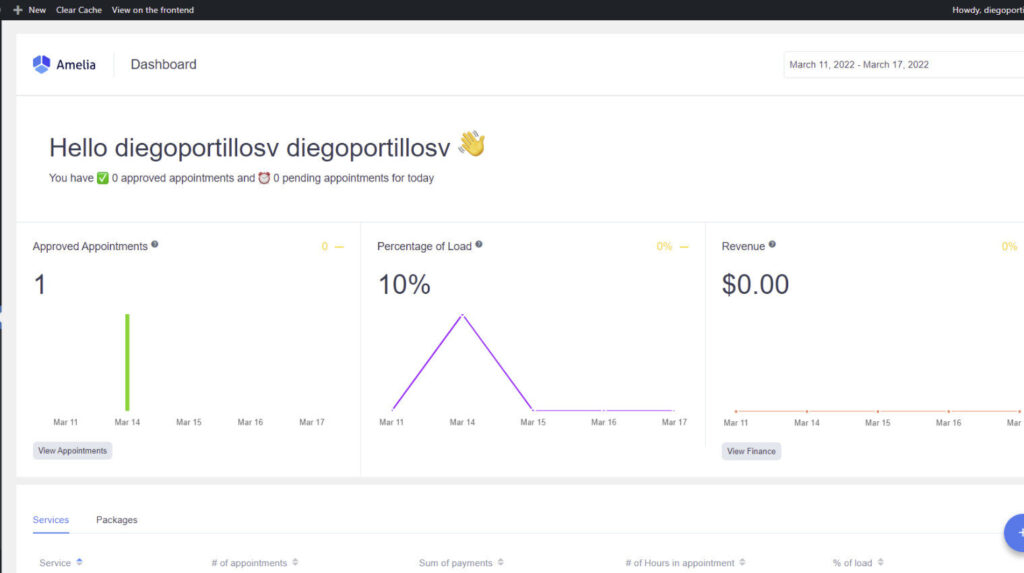
The real power of a modern WordPress booking system isn’t just in securing the appointment; it’s in everything that happens seamlessly before and after. Manual follow-ups, payment reminders, pre-meeting instructions, feedback requests—these are administrative time-sinks that drain your team’s energy, energy that should be spent on strategic planning, client engagement, and core business growth. In 2025, if your booking process isn’t heavily automated, you’re hemorrhaging resources and potentially losing clients to more efficient competitors.
The best-in-class tools automate this entire workflow, effectively cloning your best administrative assistant and putting them to work 24/7, without vacation, sick days, or overtime pay. This not only frees up your human capital but also ensures consistency and reliability in your customer communications.
The Trend: Comprehensive, Customizable Automation for Every Scenario
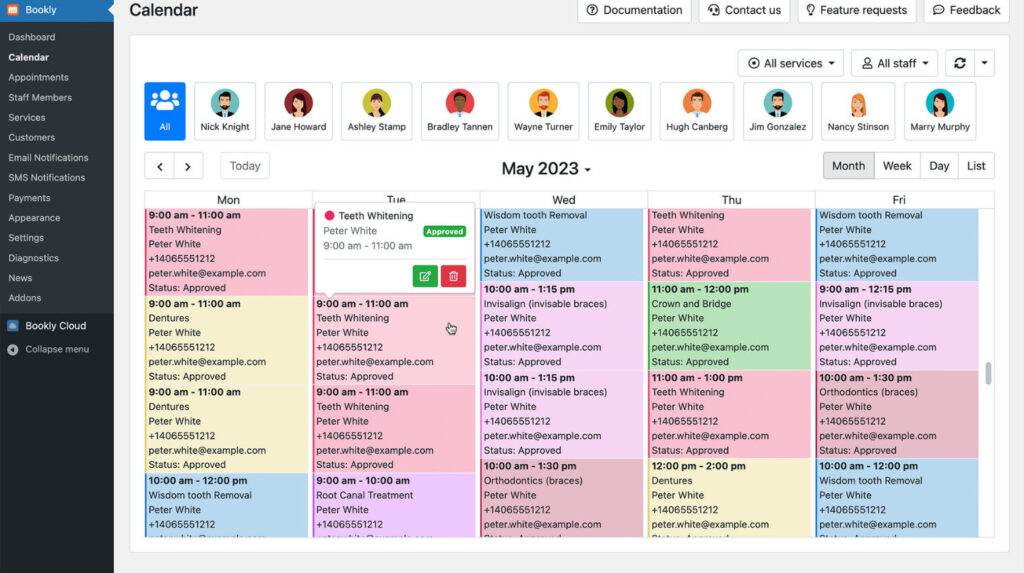
Powerhouse WordPress booking plugins like Bookly offer deep, highly customizable automation capabilities that go far beyond simple calendar syncs. Think:
- Automated SMS/Email Reminders: Drastically reducing no-shows and last-minute cancellations. Personalized reminders can include appointment details, location maps, or even a link to reschedule if necessary. This proactive communication builds trust and professionalism.
- Seamless Payment Collection: Integration with popular payment gateways like Stripe, PayPal, and WooCommerce Payments allows for upfront payments or deposits, securing revenue and reducing administrative burden. This also signals commitment from the client.
- Pre-Meeting Information Delivery: Automatically send welcome packets, required forms, pre-session questionnaires, or links to preparatory materials. This ensures clients arrive prepared, making the actual meeting far more productive.
- Post-Meeting Follow-ups: Trigger automated emails requesting reviews, feedback, or suggesting next steps. This helps gather valuable insights, reinforce positive experiences, and encourage repeat business or referrals.
- Dynamic Scheduling: Implement buffer times between appointments, automatically adjust availability based on staff calendars, and offer different service durations and pricing tiers without manual intervention.
The Marketing Playbook: Architecting the Automated Customer Journey
Use automation to build a comprehensive, multi-stage customer journey around each booking, ensuring no lead is dropped and every client feels valued:
- Pre-booking Nurturing: Leverage your marketing automation platform to nurture leads with valuable content. Once qualified, drive them directly to a personalized booking link. The booking itself becomes a natural progression in their journey, not an isolated event.
- Post-booking Confirmation & Preparation: Immediately after a booking is made, send a rich confirmation email. This isn’t just a date and time; it can include a personalized welcome message, a link to a “What to Expect” guide, relevant case studies, or even a short video introduction to the team member they’ll be meeting.
- Strategic Post-meeting Engagement: Immediately following the service or consultation, automatically trigger a follow-up sequence in your CRM. This could be a thank-you note, a request for a testimonial, a survey, or an invitation to explore additional services. The goal is to continue the conversation and deepen the relationship, transforming a single booking into a long-term client.
- Automated Rescheduling & Cancellation: Provide self-service options for clients to reschedule or cancel their appointments. This reduces direct administrative requests and enhances customer satisfaction.
Actionable Tip: Map Your Workflow Before You Shop
Before you even begin comparing WordPress booking plugins, take the time to map out your ideal booking workflow from start to finish. What needs to happen automatically after someone books? What information should they receive? What internal notifications are crucial? Your detailed answers to these questions will quickly narrow down the best options for your business, saving you time and ensuring you select a tool that truly fits your operational needs, rather than shoehorning your process into a generic solution.
Insight 3: Your Tech Stack Decides Your Winner (It’s All About Integration)
A WordPress booking plugin operating in a silo is a severely missed opportunity. Its true value, its transformative power for your business, is unlocked when it “talks” to the rest of your marketing and sales stack. This is the fundamental difference between a simple calendar tool and a core business growth engine. In 2025, disconnected systems are dead weight; integrated systems are competitive advantages.
The source article rightly highlights a crucial point: different plugins are built for different ecosystems. Choosing the right one is less about which has the most features and more about which fits most seamlessly into your existing workflow, ensuring data flows freely and intelligently across your entire operation.
The Trend: Blurring Lines and Specialized Ecosystems
The lines between e-commerce, service delivery, and content marketing are increasingly blurring. The tools we use must reflect that interconnected reality. Modern WordPress booking plugins are evolving to serve specific business contexts:
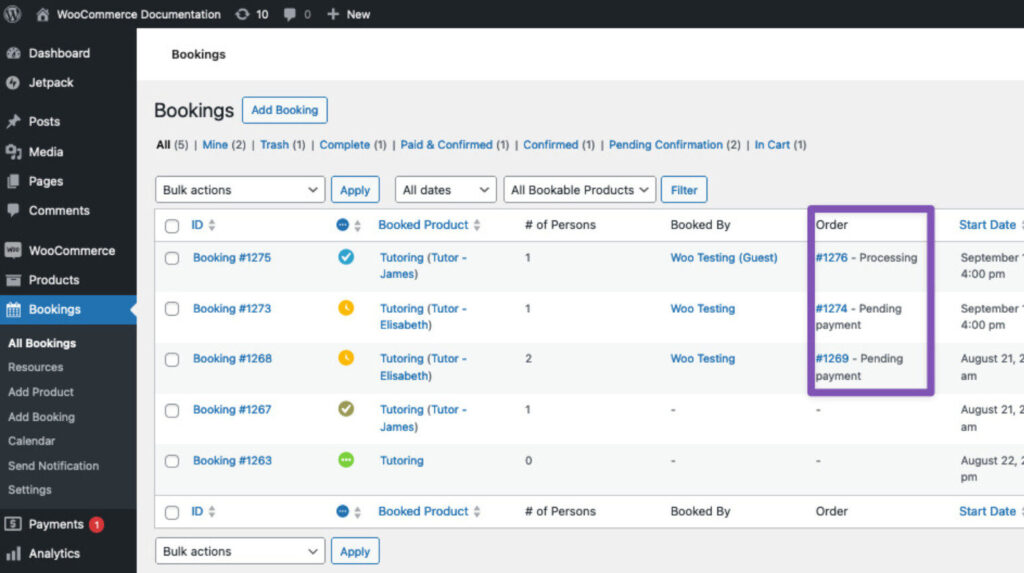
- E-commerce Integration for Service Add-ons: Are you running an online store with add-on services (e.g., product setup, style consultations, bespoke customizations)? WooCommerce Bookings is often a no-brainer. It integrates directly into the world’s most popular e-commerce platform, allowing customers to book services directly alongside product purchases, leveraging existing customer data and payment gateways. This creates a unified shopping and service booking experience.
- Consultant & Solopreneur Focus: Are you a consultant, coach, or freelancer whose life runs on Google Calendar, Outlook Calendar, or Apple Calendar? A lightweight, integration-focused tool like Simply Schedule Appointments might be your perfect match. It prioritizes flawless, two-way calendar sync, minimizing scheduling conflicts and offering intuitive controls, focusing on simplicity and efficiency over a mountain of features you’ll never use
- Agency & Team Management: Are you an agency, clinic, or service business with multiple team members, resources, and varied service offerings? A robust solution like Booked or Amelia excels at managing staff schedules, assigning roles, routing appointments to the right person based on availability or expertise, and handling complex resource allocation. They provide comprehensive dashboards for managing multiple calendars and services under one roof.
- CRM and Email Marketing Synergy: Advanced plugins are offering native or Zapier-driven integrations with popular CRMs like Salesforce, HubSpot, or Zoho CRM, and email marketing platforms like Mailchimp or ActiveCampaign. This allows for lead segmentation, personalized email sequences, and accurate tracking of client interactions directly tied to their booking history.
The Marketing Playbook: Building a Connected Ecosystem
The future isn’t about finding one “perfect” app that does everything; it’s about building a connected, intelligent ecosystem where each tool plays its role perfectly and communicates flawlessly with the others. Imagine this:
- A new booking made on your WordPress site instantly creates a new lead or deal in your CRM.
- The contact is automatically added to your email marketing list with a specific tag (e.g., “booked_discovery_call”) to trigger a personalized nurture sequence.
- Your sales team is immediately notified on Slack or Teams with all the relevant booking details, ensuring rapid follow-up if needed.
- Payment information is securely processed and reconciled with your accounting software, reducing manual data entry.
- Client data from the booking form populates your client management system, saving staff countless hours of data entry and reducing errors.
This is where integration platforms like Zapier become the essential glue holding your marketing and sales strategy together. They allow your WordPress booking plugin to become the central hub for capturing intent and initiating automated workflows across your entire digital landscape, transforming raw appointments into actionable intelligence and revenue-generating activities.
The Bottom Line: Stop Scheduling, Start Converting
In 2025, if a potential client has to email you to ask for your availability, you’re not just inefficient—you’re already behind. You’re creating unnecessary friction and signaling a lack of modern professionalism that could deter valuable leads. The opportunity cost of manual scheduling is no longer just lost time; it’s lost business.
The evolution of WordPress booking plugins is a clear indicator of a larger, undeniable trend: the consumerization of B2B and service-based interactions. Clients now expect the same frictionless, on-demand experience from their consultant, agency, or service provider that they get from booking a flight, ordering dinner, or streaming a movie. They want convenience, transparency, and immediate gratification.
Your choice of a WordPress booking plugin is no longer a simple administrative decision to offload calendar management. It’s a profound strategic marketing choice that directly impacts your brand perception, your lead conversion rate, your client satisfaction, and ultimately, your operational efficiency and bottom line. Choose wisely, integrate intelligently, and watch your business thrive.
What specific features or integrations are most critical for your business when considering a new online booking system?
Book your free consultation and discover how a frictionless booking system can turn visitors into clients — 24/7.




One Response
Wow that was unusual. I just wrote an really long comment but after I clicked submit my comment didn’t show up. Grrrr… well I’m not writing all that over again. Regardless, just wanted to say fantastic blog!